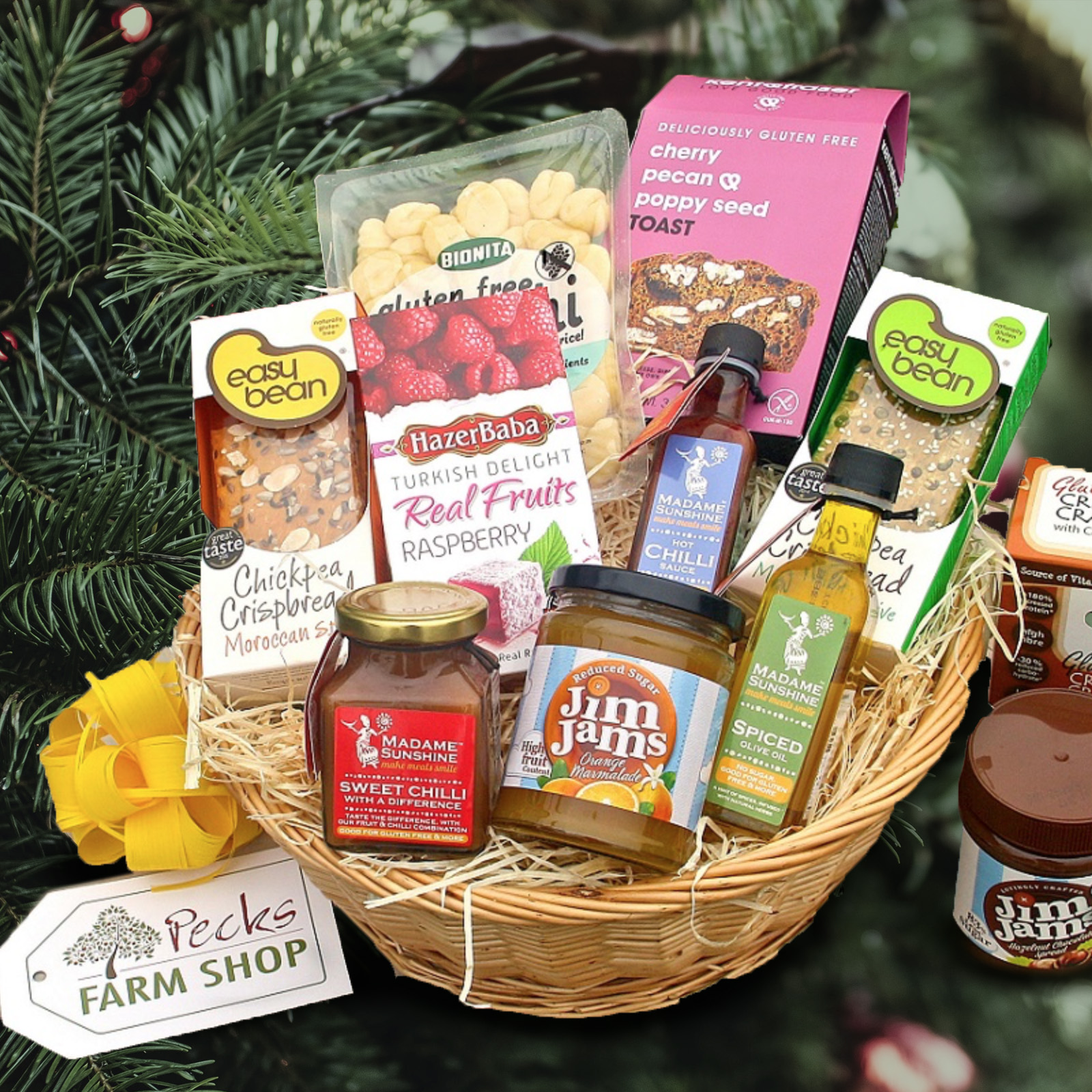
When you’re curating a gift hamper for her, the last thing you want is a mismatch between what you promised and what she receives. In a market as diverse as Australia’s, product fit uncertainty can turn a thoughtful present into a logistical headache. This guide walks you through the pitfalls, practical solutions, and a few chuckles along the way so you can ship a hamper that fits like a glove—literally.
---
Understanding Product Fit Uncertainty
What Is Product Fit Uncertainty?
Simply put, it’s the risk that the size, shape, or weight of a hamper won’t match the expectations of the buyer or the needs of the recipient. Think of it as a tailor’s mis‑measurement: the suit may look fine on the rack, but when the client tries it on, the sleeves are too short.
Why It Matters for Hampers
- Customer Satisfaction: A hamper that’s too small feels cramped; one that’s too large looks like a waste of space. Return Rates: Unfit hampers are a leading cause of returns, especially in e‑commerce. Brand Reputation: Consistency builds trust; inconsistency erodes it.
---
Key Factors That Influence Fit
Size and Shape of the Hamper
- Standard Dimensions: Most Australian retailers use metric units. A 30 cm × 30 cm × 20 cm hamper is a common baseline. Shape Variability: Cylindrical, square, and rectangular hampers each have different volume capacities. Don’t assume a square box will hold the same items as a cylinder of the same footprint.
Content Volume and Weight
- Density Matters: A hamper filled with gourmet chocolates feels heavier than one packed with dried fruit, even if the volume is identical. Packing Techniques: Using fillers like tissue or shredded paper can adjust the perceived space.
Recipient Preferences and Lifestyle
- Practicality vs. Luxury: A busy mom may prefer a lightweight, travel‑friendly hamper, whereas a wine enthusiast might appreciate a robust, wine‑specific box. Cultural Nuances: Australian gift culture often favors “local” items; a hamper of Australian‑grown honey might resonate more than imported truffles.
---
Strategies to Avoid Uncertainty
Research and Data Collection
- Customer Surveys: Ask buyers about their preferred hamper size and content type. Historical Sales Data: Identify which sizes sell best in each region of Australia. Competitive Benchmarking: Look at how leading Australian gift shops structure their hampers.
Standardizing Hamper Dimensions
- Create a Size Matrix: Map out a few core sizes (e.g., small, medium, large) and stick to them across product lines. Use a Volume Calculator: Estimate the cubic centimeters needed for typical contents and adjust dimensions accordingly.
Flexible Packaging Solutions
- Modular Inserts: Offer removable dividers that can be added or removed to accommodate different items. Stretch‑Tied Bags: For lightweight hampers, a sturdy bag tied with a decorative ribbon can adapt to varying volumes.
Customer Feedback Loops
- Post‑Purchase Surveys: A simple question—“Did the hamper fit your expectations?”—can yield actionable insights. Social Media Monitoring: Track comments and photos to spot recurring fit issues.
---
Practical Tips for Australian Sellers
Using Local Measurements
- Metric System: Stick to centimeters and kilograms; it eliminates confusion for both sellers and buyers. Regional Variations: Remember that what fits in Sydney might feel different in Perth due to shipping distances and packaging changes.
Shipping Considerations
- Packaging Cushioning: Use sufficient padding to protect the hamper during transit without inflating the package size unnecessarily. Labeling: Clearly mark “Fragile” and “Handle with Care” to reduce mishandling.
Customization Options
- Personalized Labels: Let customers add a name or message; this adds value without changing size. Add‑On Items: Offer optional accessories (e.g., a wine glass) that can be included or excluded based on the hamper’s capacity.
---
The Perfect Gift Awaits
Picture this: a Thank you gifts friend receives a hamper she thinks will fit her new kitchen. She opens it to find that the wine glasses are squished, the chocolate bar is bent, and the overall presentation looks like a jigsaw puzzle. That’s a nightmare for both giver and receiver.
Remember the words of Maya Angelou: “People will forget what you said, people will forget what you did, but people will never forget how you made them feel.” Your hamper should make her feel cherished, not frustrated.
So next time you design a hamper for her in Australia, start with a clear understanding of product fit uncertainty. Measure, test, and iterate. Keep your dimensions consistent, use flexible packaging, and listen to your customers. The result? A gift that arrives https://andreswcze936.theburnward.com/what-are-the-best-birthday-offers-hampers-for-her-australia perfectly, delights instantly, and leaves a lasting impression—no returns, no complaints, just smiles.
Ready to create hampers that fit like a glove? Dive into your data, pick your standard sizes, and let the crafting begin. Your customers—and your bottom line—will thank you.